
Gather Round Monthly Membership Call
The Gather Round Monthly Membership Calls, held on the 3rd Thursday of every month at 1 pm PST / 4 pm EST, serve as a regular “drop in” space for
The Gather Round Monthly Membership Calls, held on the 3rd Thursday of every month at 1 pm PST / 4 pm EST, serve as a regular “drop in” space for
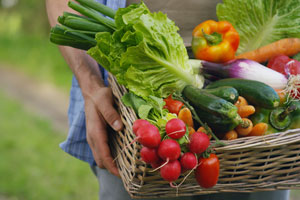
Join us on October 22nd at 11AM PT/2PM ET for our next Health Funders Learning Community call. Building off of the Power of Procurement Summit, where SAFSF attended and moderated

SAFSF is hosting an open house to answer questions about the 2026 SAFSF Forum RFP process. Please note we will not be able to provide feedback on individual session proposals

This funder series is organized by The Funders Network, Health and Environmental Funders Network, Neighborhood Funders Group, Chesapeake Bay Funders Network, Climate and Energy Funders Group and Sustainable Agriculture and
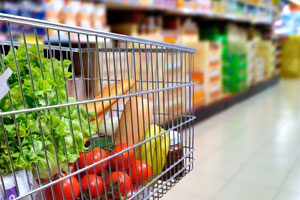
As H.R. 1 begins to reshape the landscape of safety programs, charitable foundations face a pivotal moment. The legislation delivers sweeping tax cuts to corporations and high-income earners—while dramatically reducing
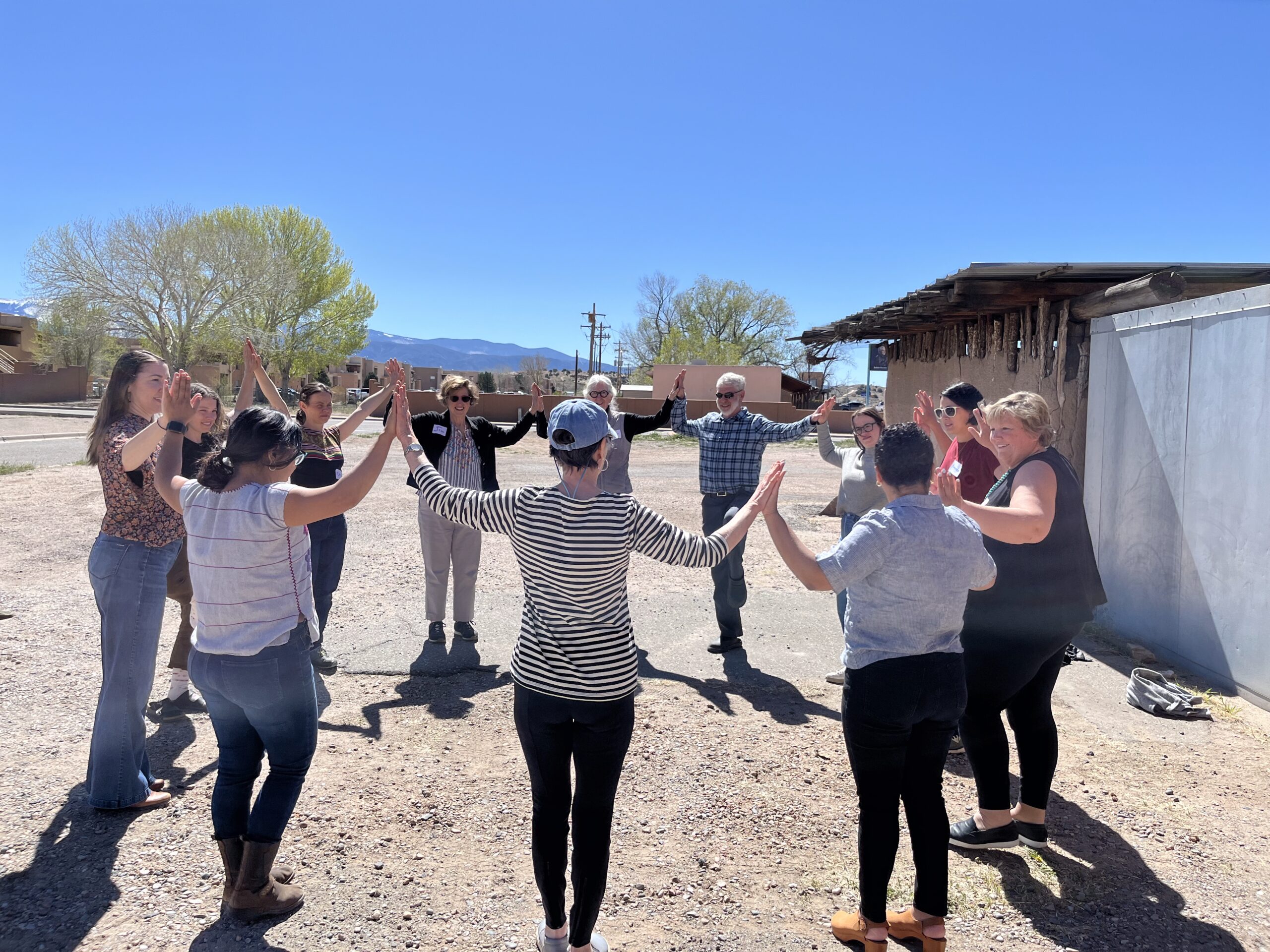
The Indigenous Food Systems Community of Practice (IFSCoP) is a learning and relationship-building cohort for funders interested in advancing support for Native-led food systems work. Developed by Sustainable Agriculture and
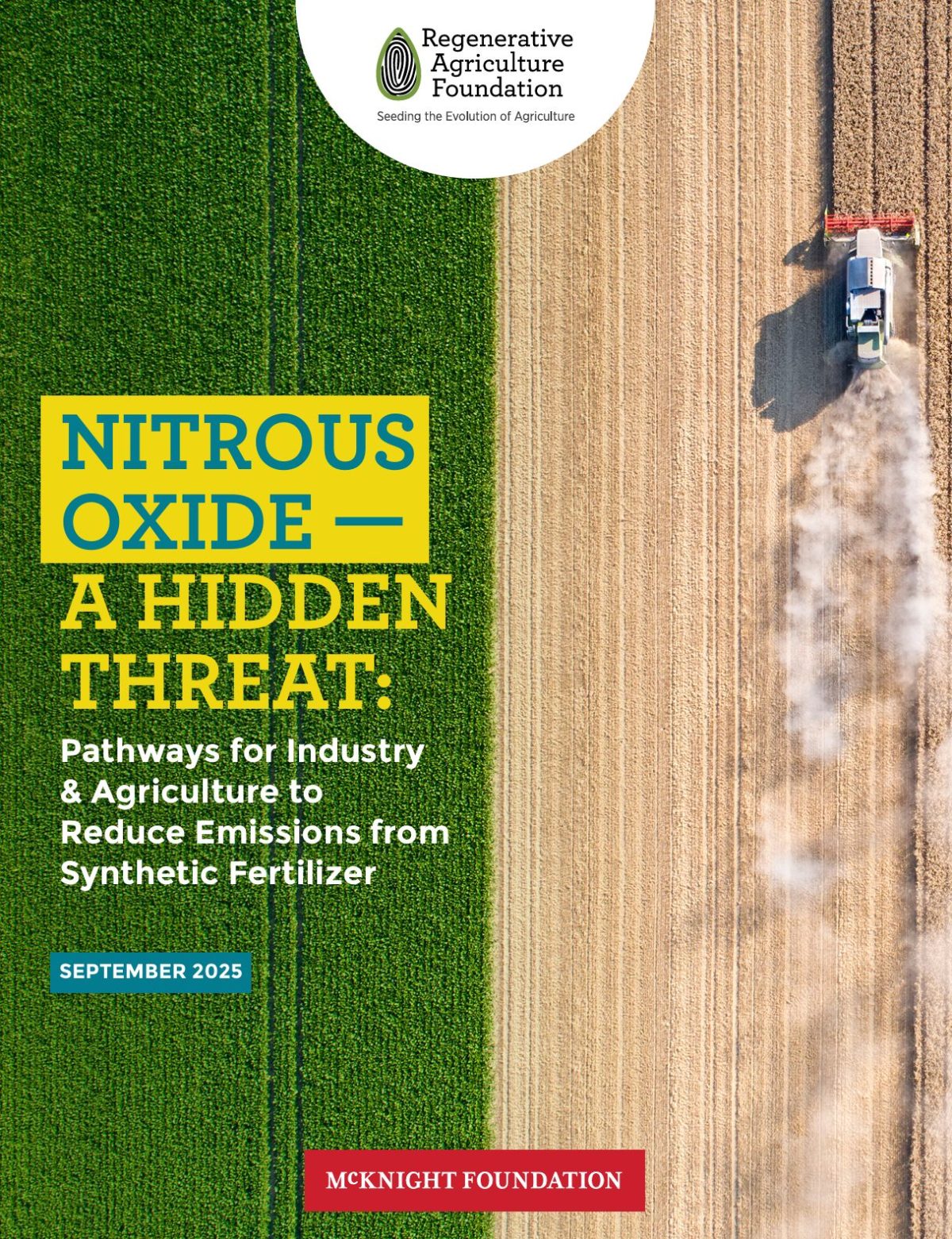
This webinar is hosted by Sustainable Agriculture and Food Systems Funders and co-hosts Climate and Energy Funders Group and Health and Environmental Funders Network. Synthetic nitrogen fertilizer is essential to
Sustainable Agriculture and Food Systems Funders and Grantmakers In Health are forming a funder Working Group for a coordinated, strategic response to the SNAP cuts in H.R. 1. The Working
This funder series is organized by The Funders Network, Health and Environmental Funders Network, Neighborhood Funders Group, Chesapeake Bay Funders Network, Climate and Energy Funders Group and Sustainable Agriculture and
Despite evidence to the contrary, regenerative farmers, ranchers, and producers more broadly are often labeled as “too risky” by conventional lenders—not because of their actual performance, but because they fall