
Climate Change
“Agriculture has a profound impact on the environment. It’s one of the most direct ways that humanity transforms the landscape.” – Claire Kelloway, Open Markets Institute
Behind and beyond industry concentration, land consolidation, and barriers to land looms an even larger threat: a rapidly changing climate. Climate change manifests in rising temperatures, extreme heat, adverse weather conditions, drought, severe wildfires, and heavy downpours and flooding.
The United States agriculture system takes quite a toll on the environment, accounting for 10 – 25 percent of total US greenhouse gas emissions, when estimates include fertilizer production, land use, and food waste, according to the U.S. Environmental Protection Agency. Feeding a growing population against an increasingly unstable backdrop, climate change is a significant accelerator of the environmental impacts that agriculture already makes on our planet.
This is not news to the industry — farmers and ranchers are at the frontlines of climate change every day. Rural communities and Indigenous and Tribal communities face unique and heightened risks from the effects of climate change, elevated in the Digging In film. Farming and producing isn’t only affected by a changing climate–they are also drivers of environmental change that either positively or negatively contributes to a changing climate.
Key Terms
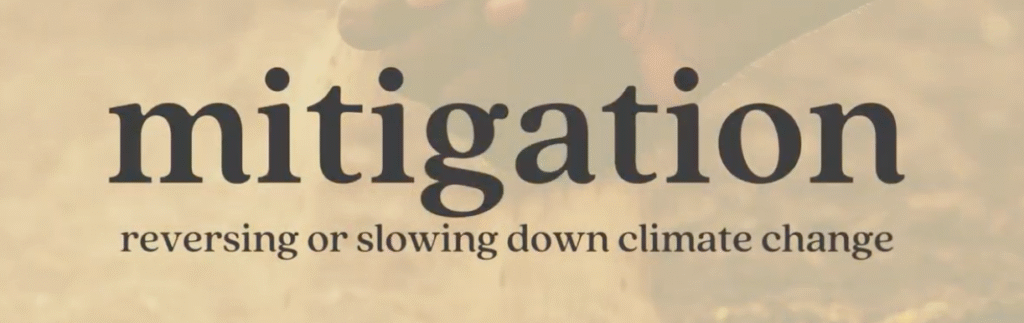
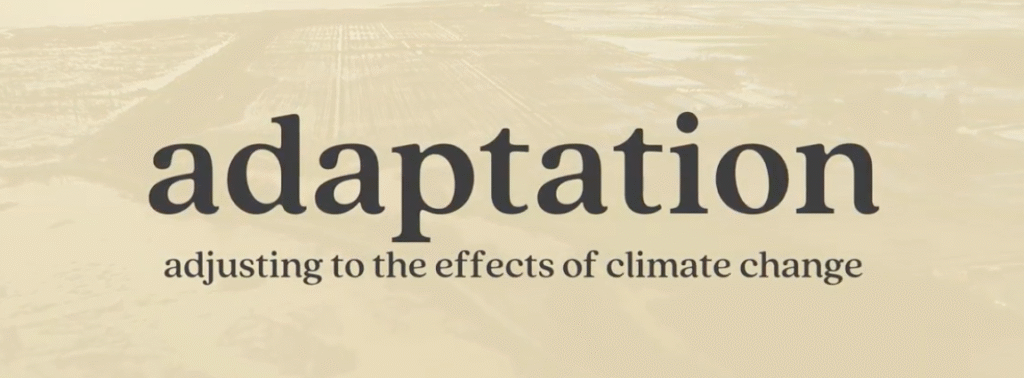
Amidst growing challenges and trying environments, there is a narrative that young people and others are not interested in farming. For Kellee Matsushita-Tseng, Land Stewardship Manager at FoodWhat?! and former Young Farmer Board member at National Young Farmers Coalition, this is a myth. They have trained thousands of young farmers who are passionate about ecologically regenerative, community-serving agriculture.
Young people are ready, but there are access and capital barriers, many of which are illuminated throughout Digging In. Learn from Kellee at FoodWhat?! about land and seed sovereignty, and community sovereignty as a tool for climate resilience.
To shift to more sustainable and climate resilient practices:
- Federal agriculture policy needs to shift from subsidizing very particular crops to supporting farming systems that are scientifically-proven to address or mitigate climate change.
- Elevate regenerative agriculture practices that originated in traditional and Indigenous communities. Agroecological and Traditional Ecological Knowledge (TEK) practices prioritize diversified crop rotation, building soil health, livestock grazing at non–industrial scales, and supporting biodiversity.
The bottomline: change is going to have to happen. Our climate is going to demand it. The future demands it. And change can result in more climate resilient communities and ecosystems.
Discussion Questions
- Who pays the price for a changing climate?
- If the way we grow food is part of the climate crisis, how can farming become part of the solution—and who should lead that change?
- How do we rebuild the community knowledge and community fabric that will support building community sovereignty as a tool for climate resilience?
- What is possible when BIPOC farmers have land access and can produce food sovereignty for their communities?